Français
  English
 EXPLAINER - BITCOIN FOR BEGINNERS
Is it a bubble? A revolution? The future? Nobody really knows. But we’ll try to help you make sense of it all
Thanks to Sébastien Ruche for this excellent article on Bitcoin for Dummies.
It’s true that everyone has questions about this cryptocurrency, but what is it really all about?
How is it ‘produced’?
Is it a speculative asset with a future?
Is fiat currency a thing of the past?
I believe we are at the dawn of an era where the dematerialisation of transactions will enable global markets to become increasingly accessible to small investors too... A form of social equality in business? Why not... This prospect fills me with joy!!
The future will tell us what will become of it... It is always exciting to witness these developments, with all the pragmatism required in any financial transaction.
by Alain Farrugia
Is it a technological revolution, a new form of gold, a financial bubble, or even a scam? Bitcoin could be all of these, or none of them—it all depends on who’s defining it. One thing is certain: it’s the tech-finance phenomenon of the year. Answers to the existential questions raised by Bitcoin.
So, what exactly is Bitcoin?
A virtual currency created on the basis of a white paper published in 2008, largely to general indifference, by Satoshi Nakamoto, a pseudonym behind which one or more individuals, never identified to this day, are hiding. Bitcoin relies on a decentralised network of computers that verify transactions between two parties, just as a bank or central authority would. Each new transaction is added to a tamper-proof ledger, the blockchain. Holding bitcoin is equivalent to possessing a secret key proving to every user on the network that you hold that bitcoin.
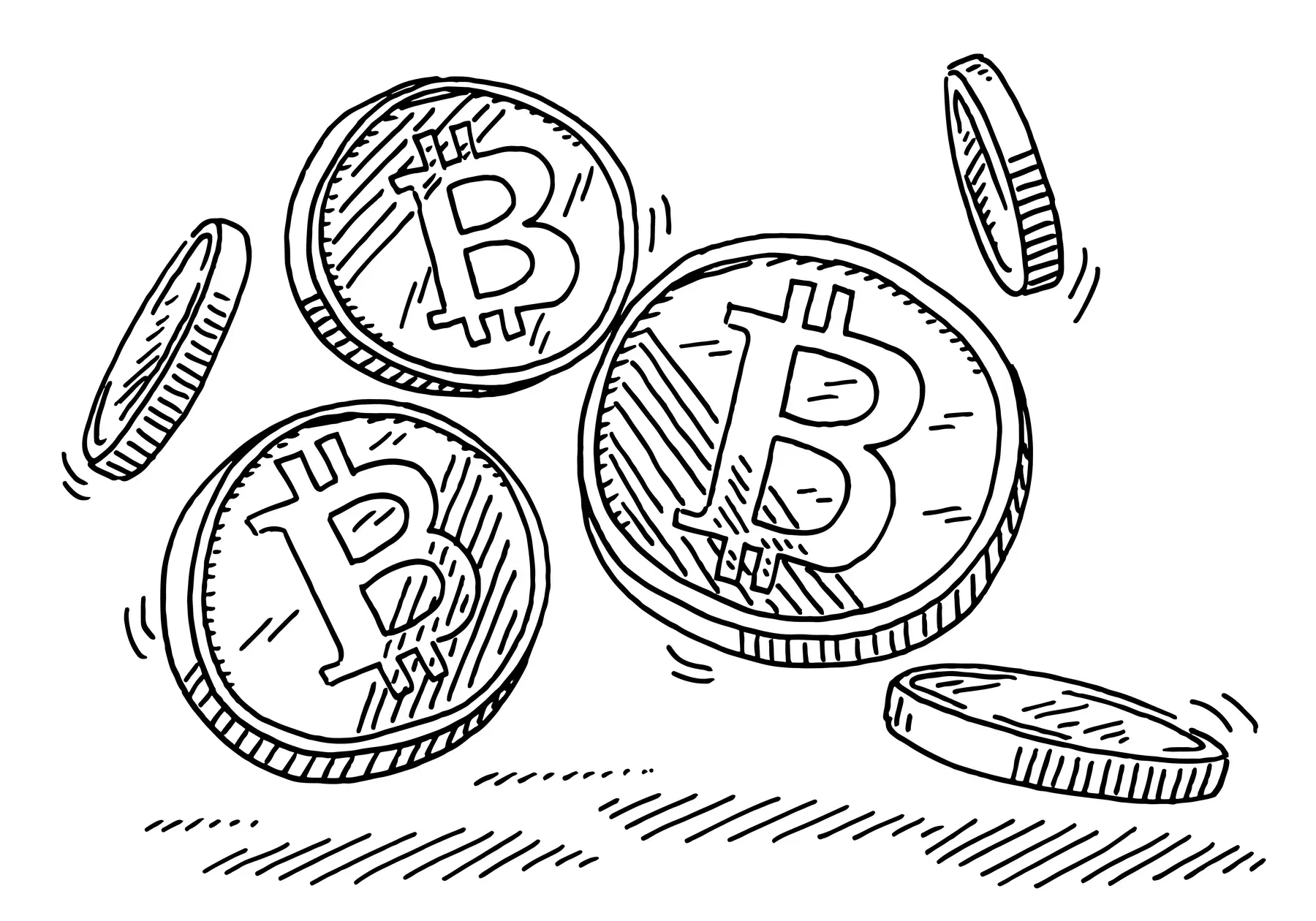
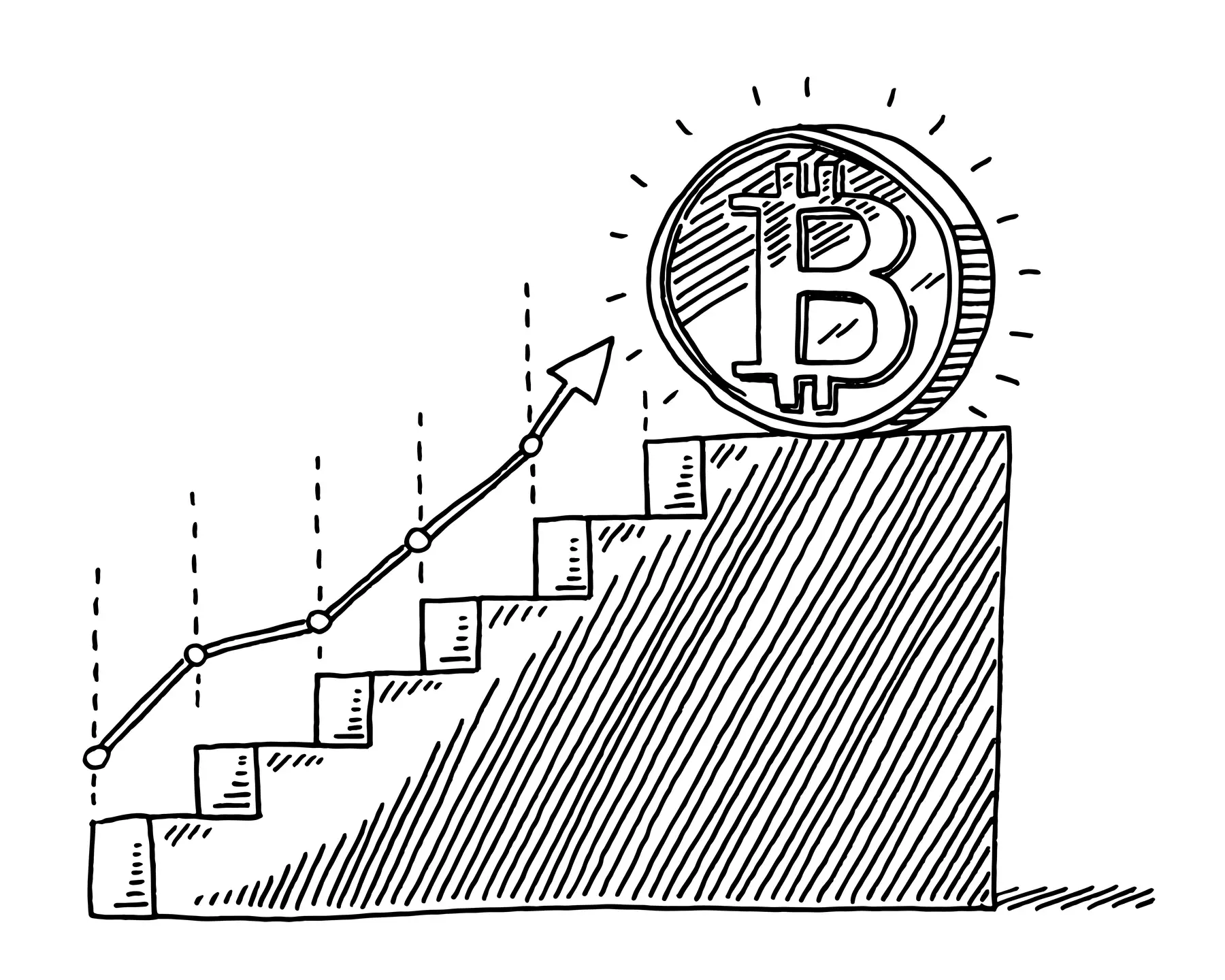
The total number of bitcoins to be put into circulation is limited to 21 million units, of which 17 million have already been created. The price of this unregulated cryptocurrency has soared by 1,700% this year, reaching nearly $19,000 on 7 December. Many observers believe this is a bubble. Unlike traditional currencies or other financial assets, it is impossible to determine the intrinsic value of bitcoin.
But can you become a billionaire with Bitcoin?
Absolutely, but for the moment, you’d better be 1.96 metres tall, weigh 100 kg and claim that Mark Zuckerberg stole the idea for Facebook from you. These are the characteristics of the first official Bitcoin billionaires, the Winklevoss twins. After receiving $65 million to settle their dispute over the ownership of the social network, they bought $11 million worth of bitcoins in 2013, at a time when the cryptocurrency was still little known and valued even less. Some four years later, these visionaries’ fortune is now in the billions thanks to the surge in bitcoin’s value.
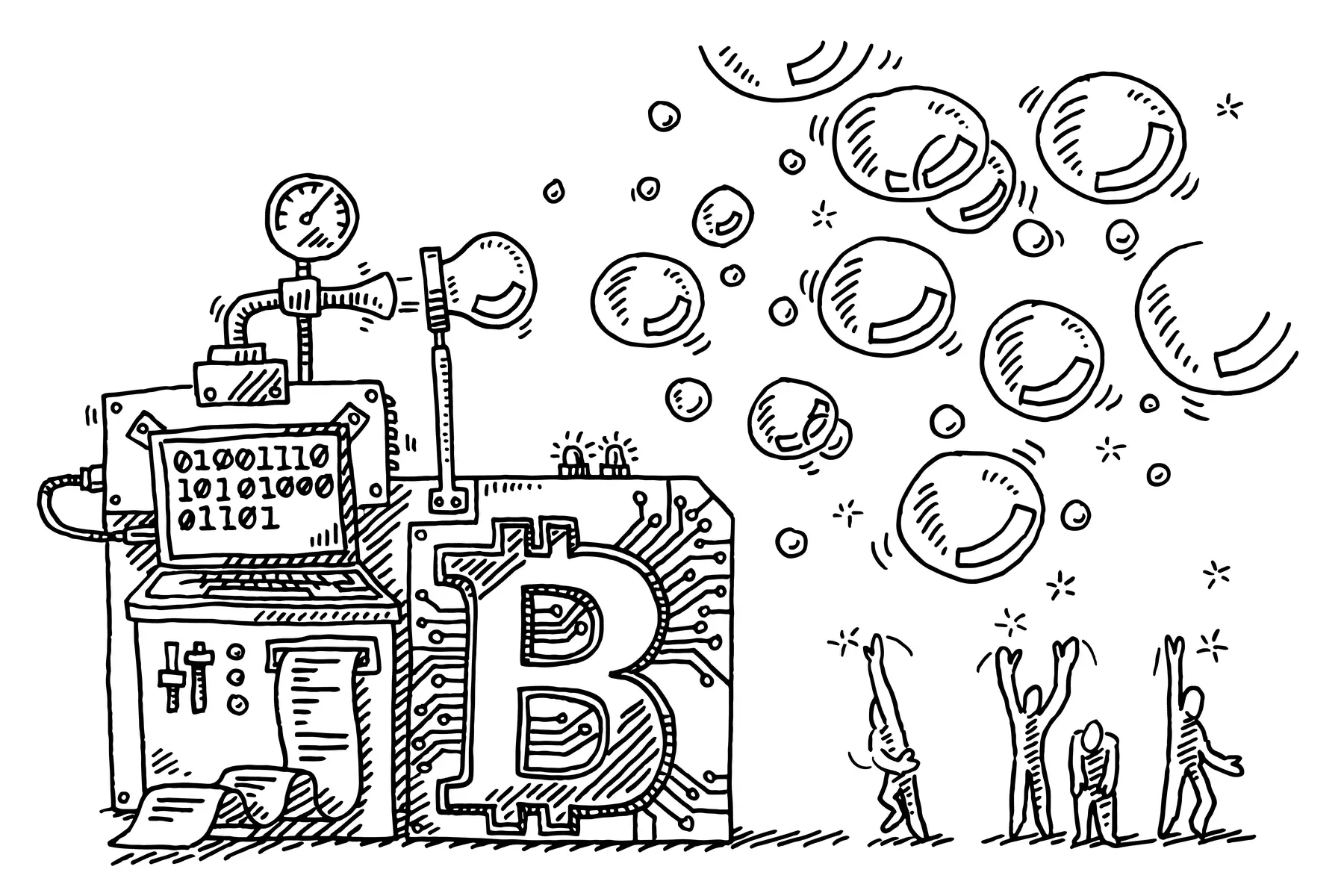
This success is the stuff of dreams for today’s bitcoin buyers, who are largely driven by FOMO – short for ‘Fear of missing out’, a form of social anxiety that causes someone to worry excessively about the risk of missing out on an opportunity. One final detail: the Winklevoss twins have just predicted that the price of Bitcoin will increase ten- or twenty-fold. Others, including many bankers, believe it has no value whatsoever.
Who holds bitcoins?
It is estimated that around 40% of bitcoins in circulation are held by around a thousand users, according to several experts interviewed by Bloomberg. They are known as ‘whales’, the term used in financial circles to describe dominant investors in a market. It is likely that these crypto-whales know one another and communicate with each other in order to influence the price of bitcoin through coordinated trading. This would not be illegal, as bitcoin is not a share or a bond, which are subject to restrictions.

As for the general public, much has been written about how ordinary people jumped on the bitcoin bandwagon when its price exceeded $10,000 on 28 November. This is highly doubtful. Sweden is one of the countries most familiar with this currency. It is easy to invest in bitcoin there. Some 30,000 Swedes are said to have adopted it, which is 50 times more than a year ago. But these early adopters still represent only around 0.3% of the population. A simple test: how many people in your circle own bitcoins?
Admittedly, but how do you get hold of bitcoins?
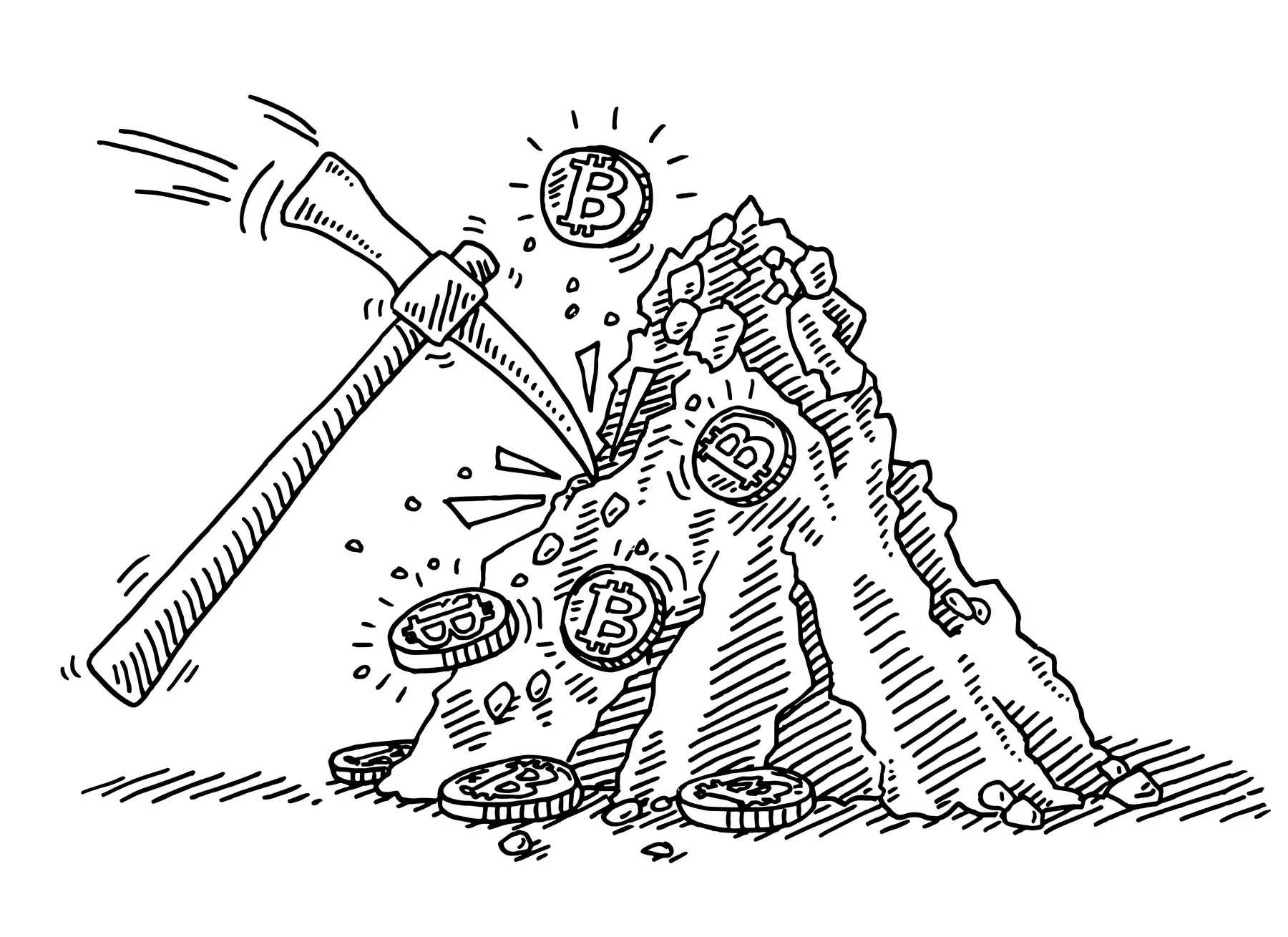
There are two methods. The simplest: exchanging traditional currencies for bitcoins (or fractions of a bitcoin) on an exchange platform such as Bitfinex or, in Switzerland, Bity. The more complex one: ‘mining’ bitcoins, i.e. producing them using a computer. Or rather, using clusters of computers whose computing power is pooled to secure transactions and solve extremely complex mathematical problems. In exchange for their contribution, ‘miners’ are paid in bitcoins.
The complexity of the calculations explains why a bitcoin transaction consumes as much energy as an American household does in a week, and why the entire bitcoin network emits as much carbon dioxide as Ecuador. Ultimately, it is estimated that this network will consume as much energy as Japan.
Should you ‘mine’ bitcoins with your Tesla?
That is what the owner of an electric sports car produced by Elon Musk’s company attempted to do. His reasoning was simple: since it takes an enormous amount of energy to produce bitcoins, he might as well get it from where it is free. For example, at Tesla charging stations, which provide free, lifetime charging for the brand’s vehicles. Photos can be found online of the boot of his car, filled with batteries and computer equipment.
However, experts are not certain that this crypto-driver has actually mined bitcoins in his vehicle. But his approach is not unique: the search for cheap electricity has led Chinese ‘miners’ to use hydroelectric power, whilst in Europe wind power is sometimes preferred, albeit still on an experimental basis.
How can you spend bitcoins?
The simplest way is to make online purchases on websites that accept cryptocurrencies. The process is more complicated in traditional shops, as verifying a transaction can take up to 10 minutes. It is also possible to invest bitcoins in ICOs, or ‘Initial Coin Offerings’.
These cryptocurrency fundraising campaigns help finance companies that do not yet exist but have a promising technological project. Four of the ten largest ICOs of 2017 were launched from Switzerland, particularly in the canton of Zug, which has specialised in this sector to the point of being renamed ‘Crypto Valley’. The most famous is that of Tezos, which raised the equivalent of $232 million last summer. The funds are currently frozen due to a dispute between the various executives involved. This has not prevented the value from tripling since then, thanks to the rise in the value of Bitcoin and other cryptocurrencies.
Should you send your bitcoins into space?
That is what ConnectX, a start-up planning to host bitcoins in a network of small satellites, is proposing. This ambitious project would protect bitcoins stored on platforms such as Coinbase or in virtual wallets from hackers. These also have the drawback of operating with ‘keys’ (a 52-digit password) that can always be forgotten or lost (but not recovered…). Just as one might misplace the mobile phone used to access these wallets.
That leaves the third option for storing virtual currencies: the ‘hardware wallet’, a sort of USB stick onto which you load your bitcoins and which you disconnect from the internet. Hackers are powerless, but the risks this time are of losing or having this piggy bank stolen. A piggy bank that would be safe from most burglars if you prefer to take the risk of sending it into space with ConnectX.
So, how can we stop this crazy surge in the price of bitcoin?
By allowing people to bet on its fall, via short selling. The Chicago Stock Exchange has allowed this for Bitcoin since 10 December. As a result, its price rose by 26% during the first trading session, which was halted twice during the morning to calm the market. Other market operators will launch similar products in the coming weeks.
And what will happen if Bitcoin is regulated?
One possible regulation could involve requiring Bitcoin buyers to register with a financial supervisory authority (such as FINMA in Switzerland or the SEC in the US) and to report their transactions. Any gains they make would then be taxed, which provides a strong incentive for countries to regulate the market. The appeal of the cryptocurrency would also be diminished.
Final question: should we talk about Bitcoin at the Christmas dinner?
The subject is likely to feature on the menu of traditional family debates. Especially if one of the guests has invested, made money and decides to let everyone know. To those who would still like to shine at the Christmas dinner table, Le Temps sets a challenge: say something other than “Blockchain is a fascinating technology that opens up limitless possibilities, but when it comes to Bitcoin, I’m more cautious.” It’s the most frequently heard phrase of 2017 – after this one: “Bitcoin has gone up again!”
Image credits: Getty